

Knob and tube wiring is an old electrical system from the 1880s to the 1940s that holds single wires in open air on ceramic knobs and tubes. It is not banned, but it has no ground wire and it was never built for modern power loads. If you are shopping for a home built before 1950 in Chesapeake, Norfolk, Portsmouth, or anywhere in Hampton Roads, you may run into it. At A Premier Home Inspection, we flag it so you know what you are buying. This guide covers how to spot it, what it means for safety and insurance, and what your options are.
What Is Knob and Tube Wiring?
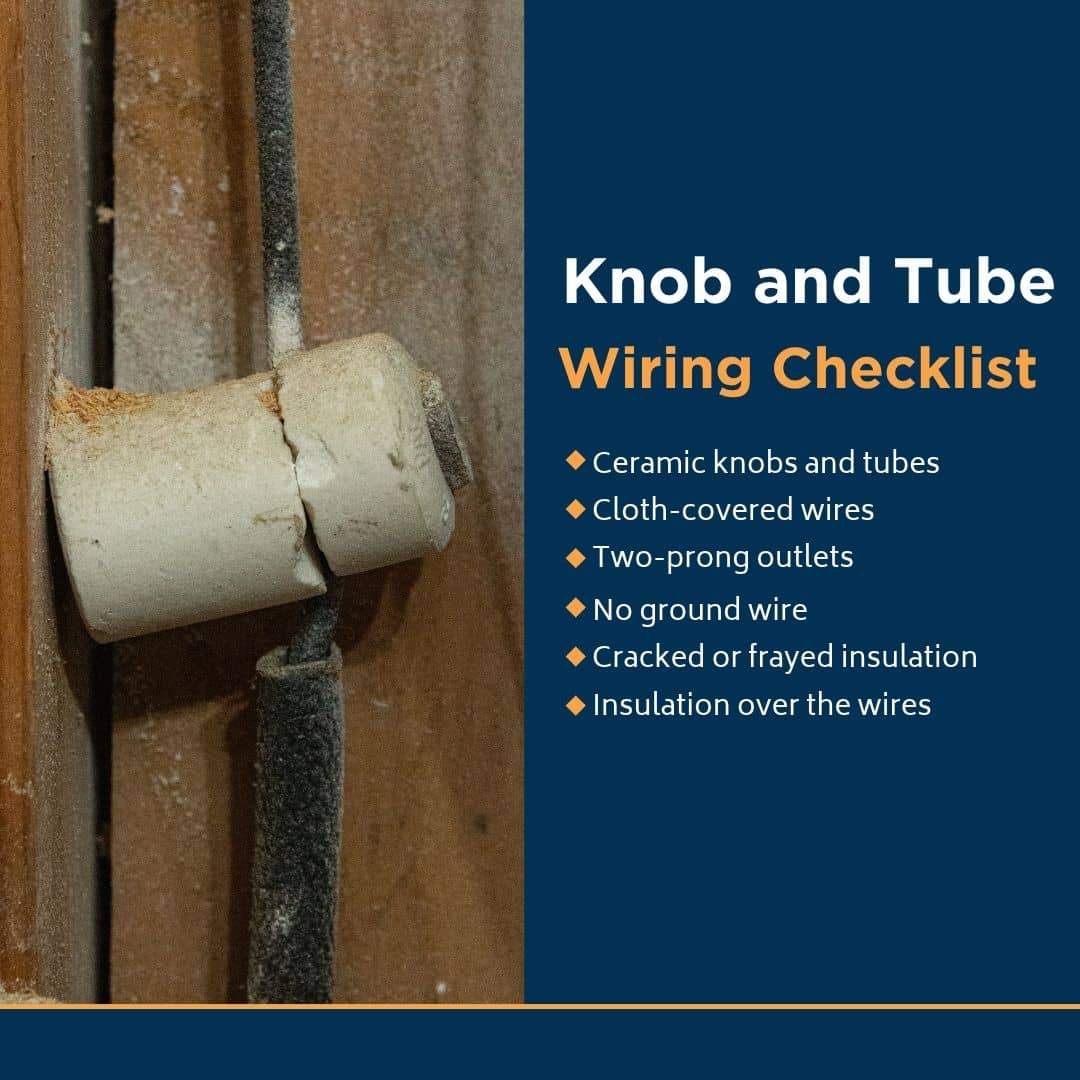
Knob and tube wiring, often called K&T, is an early way to wire a house. It uses single copper wires wrapped in cloth or rubber. The wires run through open air, held off the wood by white ceramic knobs. Ceramic tubes protect them where they pass through framing. Builders used this method across North America from the 1880s until about the 1940s.
Each circuit has two wires, a hot and a neutral. They run apart from each other, not side by side in one jacket like modern cable. The open air around the wires carries heat away. That design worked well in a house with a few lights and a radio. It was never meant for a home with a microwave, a dryer, and a dozen things charging at once.
K&T also has no ground wire. That one fact drives most of the concerns you will hear about it.
How to Spot Knob and Tube Wiring in a House
Look in the attic, basement, and crawl space for white ceramic knobs and cloth-covered wires. Those two clues are the best sign you have K&T.
Here is what to look for:
- Ceramic knobs. Small white spools nailed to joists and studs that hold wires off the wood.
- Ceramic tubes. Short tubes set in drilled holes where wires pass through framing.
- Cloth or rubber insulation. Often black or gray, and often cracked or frayed on old runs. Modern cable has a smooth plastic jacket.
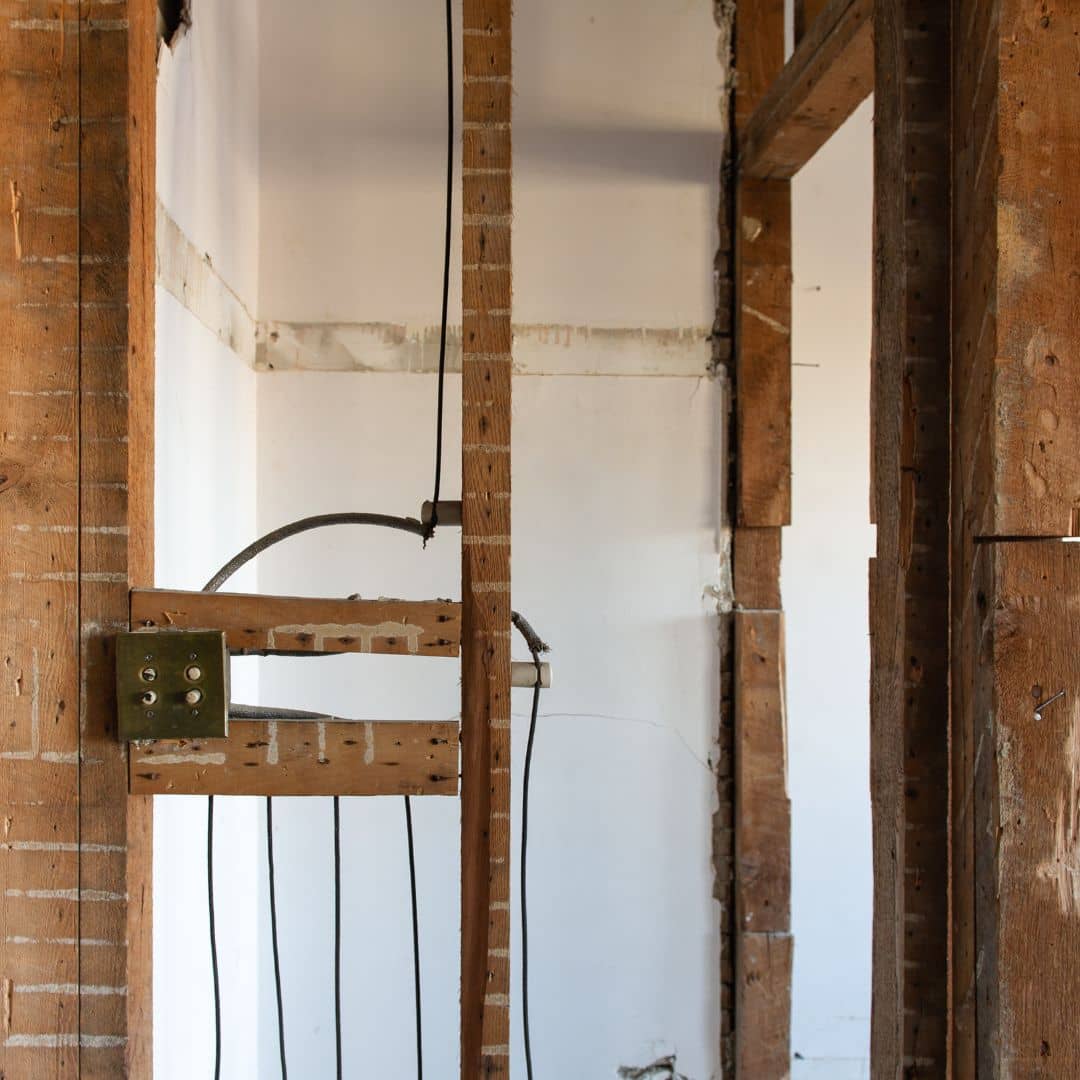
- Separated wires. The hot and neutral run several inches apart. Modern cable keeps them together.
- Two-prong outlets. These are common with K&T, but they do not prove it is there.
- Old fuse boxes or small panels. Many K&T homes still run on a panel with limited capacity.
Most K&T hides inside walls and ceilings, so you may never see it on a walk-through. A three-prong outlet does not prove a circuit is modern, either. Some owners swapped in three-prong outlets without adding a ground wire. That looks safe, but it is not. If you think you see old wiring, do not touch it or move it, even if you believe the power is off.
Homes built before 1950 are the most likely to have it. If you are touring one, ask the seller about past electrical work and request any electrician’s reports. For a closer look at what to watch for, read this guide from another inspection company on what to know about knob and tube wiring.
Is Knob and Tube Wiring Dangerous?
Knob and tube wiring is not dangerous just because it is old, but age, changes, and insulation can turn it into a fire and shock risk. InterNACHI, the inspector association behind our certifications, says the real trouble comes from its age, from improper changes, and from building insulation that covers the wires.
These are the problems that show up most:
- Worn insulation. Cloth and rubber dry out over decades. Heat makes it worse. Once the coating cracks, bare wire can touch wood or other wires. See this overview of cloth-covered wires, fire risk, and repair costs for more on how that wear shows up.
- No ground path. Without a ground wire, a fault has no safe place to go. A surge protector plugged into an ungrounded outlet gives you a false sense of safety.
- Too much load. K&T circuits were made for light use. Running modern appliances on them, or putting in a bigger fuse to stop it from blowing, can overheat the wires.
- Bad splices. Past owners often tied new cable to old wire with tape or loose splices instead of a junction box.
- Buried wires. The wires need open air. Covering them with insulation traps heat.
K&T in good shape that has never been changed can last a long time. Most problems come from changes made years later.
Knob and Tube vs. Modern Wiring
The big differences come down to grounding, heat, and capacity. This table puts them side by side.
| Feature | Knob and tube | Modern cable |
|---|---|---|
| Era | Late 1800s to about the 1940s | Mid 1900s to today |
| Ground wire | No | Yes |
| Insulation | Cloth or rubber | Plastic jacket |
| Heat | Needs open air to cool | Made to sit inside walls |
| Wire layout | Hot and neutral run apart | Wires bundled in one jacket |
| Capacity | Fewer circuits, lighter loads | Built for modern loads |
| Insurance | Often hard to get | Standard |
Can You Insulate Over Knob and Tube Wiring?
Most electricians and inspectors say no, because the wires need open air to shed heat. Blowing insulation over active K&T traps heat and hides damage. Some states and cities allow it only after a licensed electrician inspects the wiring and fixes any defects, so check local rules before any insulation job.
A historic preservation guide from the Indiana Department of Natural Resources makes a similar point. Higher electric current speeds up the breakdown of old insulation. Adding insulation to walls or ceilings that hide K&T creates another risk.
If an energy auditor or insulation crew plans to work in your attic, tell them about any K&T first. A home energy inspection can show where your house loses heat, so you can plan upgrades in the right order.
Knob and Tube Wiring and Home Insurance
Many insurance companies will not cover a home with active knob and tube wiring. Others charge more or ask for an electrician’s report. Rules differ by company, so ask before you close.
Here is a simple plan for buyers:
- Tell your insurance agent the house has K&T, or may have it, before you choose a policy.
- Ask each company in writing what it requires. Some want an inspection, some want partial replacement, and some want a full rewire by a set date.
- Get quotes from more than one company. Insurers do not all treat K&T the same way.
- Ask whether disconnected wiring counts. Some companies want all of it removed, even if it is dead.
- Answer wiring questions honestly. Leaving it off an application can put a future claim at risk.
Your lender and your real estate agent may also ask about the wiring, so bring your inspection report to those talks.
What Are Your Options If You Find It?
You can have a licensed electrician evaluate it, replace part of it, or rewire the whole house. No universal code forces you to remove K&T that is already in a home. The National Electrical Code only allows new concealed K&T as an extension of an existing system, so builders no longer install it from scratch.
Here is how the options compare:
- Evaluation. An electrician checks the condition of the wires, the fuses or breakers, the splices, and whether insulation touches the wiring. This is the right first step in most cases.
- Partial replacement. The worst circuits get new cable first, often in kitchens, baths, and attics. Ask how the new cable will connect to the old. Every join should sit in a proper junction box.
- Full rewire. This removes the concern and usually satisfies insurers. National cost guides put a full rewire anywhere from about $8,000 to more than $30,000, depending on the size of the home and how easy the wiring is to reach. Get two or three quotes and make sure the work is permitted.
- GFCI outlets as a stopgap. A GFCI outlet can add shock protection on an older two-wire circuit. It does not create a true ground, and it does not fix worn wiring. Our guide to upgrading ungrounded outlets explains the options.
If you are buying, your inspection report gives you facts to work with. You can ask the seller for repairs, a credit, or a price change. Your agent can help you decide which ask fits your deal.
Related Questions to Explore
What is knob and tube wiring?
Knob and tube wiring is an early home wiring method used from the 1880s to the 1940s. Single cloth-covered wires run through open air on ceramic knobs and through ceramic tubes. It has no ground wire. Our section on how to spot it shows what to look for.
Is knob and tube wiring safe?
It can be safe if it is in good shape and has never been changed, but few homes meet that test today. Worn insulation, overloaded circuits, bad splices, and insulation over the wires raise the risk. Have a licensed electrician check it. Our electrical inspection guide for older homes explains what an inspector checks in houses like these.
Why is knob and tube wiring dangerous?
The main reasons are the missing ground wire, aging insulation, trapped heat, and circuits that carry more than they were built for. Any one of these can lead to shocks or overheating. Together they raise the odds of a fire.
What does knob and tube wiring look like?
You will see white ceramic knobs and tubes with black or gray cloth-wrapped wires. They run separately through attics, basements, and crawl spaces. Homes with this wiring often have two-prong outlets, and our post on how to tell if an outlet is not grounded shows how to check.
When did builders stop using knob and tube wiring?
In North America, most builders stopped by about the 1940s, when plastic and metal-sheathed cable took over. Homes built soon after that period can still have some K&T, especially in additions or older sections.
Do I have to replace knob and tube wiring?
No law bans K&T in an existing home, and no universal code requires removal. In practice, insurers, lenders, and local rules often push owners to replace it. Ask all three before you close.
Can I buy a house with knob and tube wiring?
Yes, but get a home inspection first, price the repairs, and confirm you can get insurance. A homebuyer inspection gives you a documented look at the wiring, panel, attic, and more before you commit.
When to Call a Professional
Call a licensed electrician if you see signs of trouble, and call a home inspector before you buy an older home. Watch for these signs:
- Frayed or crumbling cloth-covered wires
- Outlets or switch plates that feel warm or look discolored
- Breakers or fuses that trip or blow often
- Flickering lights
- A burning smell near outlets or the panel
- Insulation touching old wires in the attic
- A fuse bigger than the panel label allows
If you smell burning or see smoke, shut off power at the main breaker only if it is safe to do so, and call 911. Never repair or remove old wiring yourself. It can still carry live current.
An electrician repairs wiring. A home inspector finds it and reports it. During an inspection, we check the panel and the visible wiring in places like attics and crawl spaces. When an inspector finds K&T, the usual next step is to report it and recommend that a licensed electrician evaluate it. Clay Somers, a Virginia-licensed home inspector and InterNACHI Certified Master Inspector, personally inspects each home and walks you through the findings. You get a photo report the same day.
Selling an older home? A pre-listing inspection lets you learn about wiring problems before a buyer’s inspector does.
Conclusion
- Knob and tube wiring is an old system from the 1880s to the 1940s with no ground wire and an open-air design.
- It is not unsafe by age alone, but changes, wear, and insulation over the wires create real risks.
- Check insurance and get an electrician’s view before you close on an older home.
Buying or selling an older home in Chesapeake, Norfolk, Virginia Beach, or nearby? Schedule a full home inspection with A Premier Home Inspection, or contact us with questions about what we check.