

When the winter chill settles across Virginia, many homeowners reach for space heaters to stay warm without cranking up their central heat. These portable devices offer quick, convenient warmth, but they can also consume a surprising amount of energy if used frequently. Understanding how much energy a space heater uses in winter can help you make smarter decisions about your home’s comfort, efficiency, and safety.
In this post, we’ll break down real energy costs, offer savings strategies, and explain how a professional home inspection can help you optimize your home’s efficiency for the season.
How Much Energy Does a Space Heater Use?
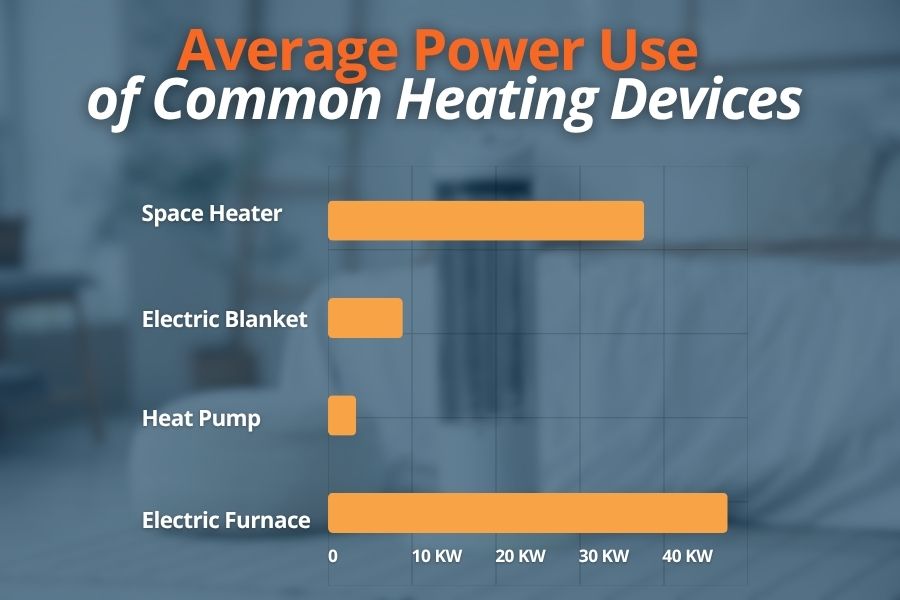
Most electric space heaters operate between 750 and 1,500 watts of power. To put this in perspective, a 1,500-watt heater running for one hour uses 1.5 kilowatt-hours (kWh) of electricity. The average cost of electricity in Virginia is about 13 cents per kWh, which means one hour of heating costs around 20 cents.
Now, if you run a 1,500-watt space heater for eight hours a day, that’s 12 kWh. Multiply that by 30 days, and you’re looking at 360 kWh per month or roughly $46.80 in added energy costs. That number might not seem huge, but it adds up when combined with your other winter energy expenses.
If you use multiple space heaters or leave one running overnight, your energy consumption could double or even triple. That’s why it’s important to understand when and how to use these devices efficiently.
Are Space Heaters Energy Efficient?
Space heaters can be an efficient way to warm small areas quickly, especially if you only need heat in one room rather than throughout the entire home. They are best used as supplemental heat sources, not primary ones. For example, heating a single bedroom with a space heater for a few hours may cost less than raising your home’s thermostat for the entire house.
However, if you rely solely on space heaters during the winter, you may see a sharp increase in your electricity bill. Central heating systems such as gas furnaces, electric heat pumps, or hybrid systems tend to be far more efficient for maintaining even warmth throughout your home.
Pro Tip: Only use space heaters in occupied rooms and keep doors closed to trap the heat. This ensures the warmth stays where it’s needed most.
Calculating Energy Costs for Your Space Heater
To better understand your energy use, here’s a simple formula to calculate your costs:
Watts ÷ 1000 x Hours Used x Cost per kWh = Cost per Day
Example:
- 1,500 watts ÷ 1000 = 1.5 kWh per hour
- 1.5 x 8 hours = 12 kWh per day
- 12 x $0.13 = $1.56 per day
If you use your space heater every night for a month, that’s around $47 per month for one unit. If your home has multiple heaters, multiply this by the number of devices in use.
Factors That Affect Energy Usage
Several factors influence how much energy your space heater consumes:
- Wattage: The higher the wattage, the more power it uses.
- Room Size: Larger rooms require more energy to heat effectively.
- Insulation Quality: Poor insulation allows heat to escape, forcing the heater to run longer.
- Thermostat Settings: Lower temperature settings reduce energy use.
- Frequency of Use: The longer your heater runs each day, the higher your energy bill.
If you’re struggling to keep your home warm despite using heaters regularly, a home inspection can reveal issues such as air leaks, poor insulation, or inefficient windows that make your home harder to heat.
Comparing Space Heaters to Other Heating Options
| Heating Source | Average Cost per Hour | Best For | Energy Efficiency |
|---|---|---|---|
| Electric Space Heater | $0.15–$0.25 | Small rooms | Moderate |
| Gas Furnace | $0.30–$0.50 | Whole home | High |
| Heat Pump | $0.12–$0.20 | Whole home | Very High |
| Electric Blanket | $0.04–$0.08 | Individual warmth | Very High |
In Virginia’s moderate winter climate, a combination of efficient central heating and targeted space heater use works best. A heat pump paired with smart home insulation improvements can deliver comfortable, consistent warmth with lower energy costs overall.
How to Choose the Right Space Heater for Your Home
Selecting the right space heater can make a big difference in both comfort and energy efficiency. Not all heaters are built the same, and the best choice depends on your room size, how often you use it, and your home’s overall energy setup. Here’s how to make the smartest decision:
1. Match Heater Type to Room Size
- Small rooms: Go for ceramic or fan-forced heaters that warm up quickly.
- Medium rooms: Oil-filled radiators maintain steady heat for longer periods.
- Large or open spaces: Infrared heaters are best because they warm objects and people, not just the air.
2. Check the Energy Rating
Look for energy-efficient models with adjustable thermostats and timers. ENERGY STAR-rated devices often perform better and cost less to operate.
3. Prioritize Safety Features
Choose a heater with automatic shut-off, tip-over protection, and cool-touch exteriors, especially if you have children or pets.
4. Consider Usage Location
If you plan to use the heater in damp areas like bathrooms or basements, make sure it’s rated for moisture resistance.
5. Think Long-Term Efficiency
A well-insulated room can make even a small heater more effective. Combine your heater with proper sealing and insulation for maximum comfort and lower costs.
By choosing the right heater for your space and using it responsibly, you’ll stay warm, save money, and reduce your winter energy footprint.
How to Use a Space Heater Efficiently
To maximize warmth and minimize energy waste, follow these energy-saving strategies:
- Use the Right Size Heater: Choose a unit that matches your room size. A heater that’s too small will overwork, while one that’s too large will waste energy.
- Limit Use to Occupied Areas: Only use the heater in rooms you’re actively using.
- Seal Drafts: Close windows and doors tightly. Add weather stripping or draft guards to prevent heat loss.
- Add Reflective Insulation: Place reflective panels behind the heater to direct warmth into the room.
- Lower the Thermostat: Reduce your central heating by a few degrees when using a space heater.
- Use a Timer or Smart Plug: Automatically turn off the heater when not in use.
- Wear Layers: Simple but effective, bundling up reduces your need for supplemental heating.
Safety Tips for Using Space Heaters
While space heaters are convenient, they are also one of the leading causes of home fires during the winter. According to the U.S. Fire Administration, heating equipment is responsible for over 40% of winter home fires.
Keep your family safe with these guidelines:
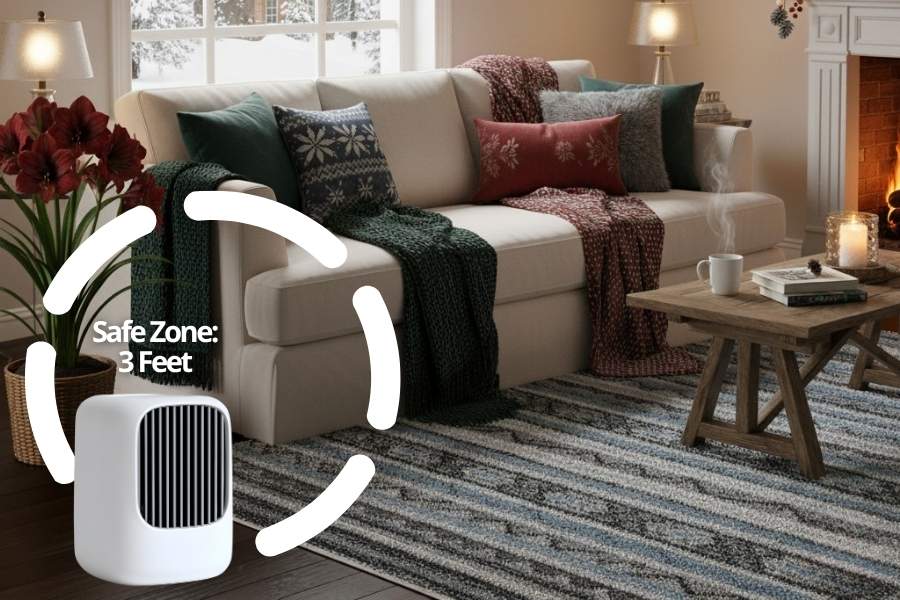
- Keep heaters at least three feet away from curtains, bedding, or furniture.
- Plug directly into the wall outlet. Avoid extension cords or power strips.
- Always place the heater on a flat, stable surface.
- Turn off and unplug the heater when you leave the room or go to bed.
- Choose heaters with automatic shut-off features that activate if the unit tips over.
- Never use a space heater to dry clothes or other items.
A few small safety steps can prevent serious accidents and protect your home during Virginia’s coldest months.
Energy-Saving Alternatives to Space Heaters
If you want to stay warm without relying heavily on portable heaters, consider these alternatives:
- Upgrade Insulation: Proper insulation keeps warm air inside and cold air out.
- Install Energy-Efficient Windows: Modern windows reduce drafts and improve heat retention.
- Use a Smart Thermostat: Automate heating schedules to save energy when you’re away.
- Service Your HVAC System: Regular maintenance ensures your system runs efficiently.
- Add Area Rugs: They provide an extra layer of insulation for hardwood or tile floors.
- Close Unused Rooms: Keep heat concentrated where it’s needed.
These upgrades not only lower your winter energy costs but also increase the overall comfort and resale value of your home.
Other Common Winter Energy Questions
Should I leave my space heater on overnight?
No. Even if it has safety features, it’s not recommended to leave it running while you sleep.
Do space heaters dry out indoor air?
Yes, prolonged use can reduce humidity and cause dry air. Use a humidifier to balance moisture levels.
Which type of space heater is most efficient?
Oil-filled radiators and infrared heaters tend to be more efficient than fan-forced models because they maintain warmth longer.
Can a space heater save me money?
Yes, if used selectively in one or two rooms instead of raising your whole-home thermostat.
When to Call a Professional
If you notice your space heater is constantly running, your central heating struggles to keep up, or you’re seeing unusually high energy bills, it may be time for a home energy inspection. A Premier Home Inspection can evaluate your insulation, ductwork, and HVAC performance to pinpoint energy losses. Our experts help Virginia homeowners find cost-effective solutions to stay warm without overspending.
Conclusion
So, how much energy does a space heater use in winter? The short answer is: it depends on how long you run it, how efficient your home is, and how you use it. A single 1,500-watt heater can cost nearly $50 per month if left running for several hours a day. Used wisely and safely, however, space heaters can offer targeted comfort without breaking the bank.
The best long-term savings come from improving your home’s energy efficiency. Whether it’s sealing drafts, upgrading insulation, or servicing your heating system, small improvements can make a big difference in your winter comfort and energy costs.
To learn more about how to keep your home efficient this winter, schedule a professional home inspection with A Premier Home Inspection. Our team helps homeowners across Virginia stay comfortable, safe, and energy-smart all season long.