

Energy efficiency is not just a trend; it is a smart way for homeowners to save money, increase comfort, and make their homes more sustainable. Every year, U.S. households spend thousands of dollars powering, heating, and cooling their homes. Yet a large portion of that energy is quietly wasted through inefficient systems, outdated appliances, and small daily habits that often go unnoticed.
The good news is that understanding where your home uses the most energy and how to correct wasteful practices can help lower bills, extend the lifespan of home systems, and even boost property value. Whether you are living in a newly built home or one that has been around for decades, there are always opportunities to use energy more wisely.
This guide breaks down how energy is used in the average home, the everyday habits that lead to waste, and how professional home inspections can uncover issues that cost you money and comfort.

How Energy Is Used in the Average Home
According to the U.S. Energy Information Administration (EIA), nearly half of the energy consumed in residential homes goes toward heating and cooling. The rest is divided among water heating, lighting, appliances, and miscellaneous electronics.
Typical Breakdown of Home Energy Use
| Category | Approximate Share of Energy Use |
|---|---|
| Heating and Cooling | 47% |
| Water Heating | 14% |
| Appliances and Electronics | 13% |
| Lighting | 9% |
| Other Uses | 17% |
This data highlights the importance of targeting the biggest energy categories first. For example, upgrading your HVAC system or improving insulation can have a much greater effect on your utility bill than changing how often you use your coffee maker.
Regional differences also play a major role. Homes in colder climates naturally spend more on heating, while those in warmer regions use more air conditioning. Regardless of where you live, sealing air leaks, improving insulation, and maintaining efficient equipment are the foundation of an energy-smart home.
Common Habits That Waste Energy and Money
Many homeowners are surprised by how much energy is lost through everyday routines. Below are some of the most common habits that drive up bills and simple ways to fix them.
1. Setting the Thermostat Too High or Too Low
Constantly adjusting your thermostat or setting extreme temperatures forces your HVAC system to work harder than needed. This not only increases energy use but also shortens the lifespan of your system.
Energy Tip: In winter, keep your thermostat around 68°F when you are home and lower it slightly while you sleep. In summer, aim for 78°F when home and a bit higher when you are away. Smart thermostats can automatically make these changes and save up to 10 percent a year on heating and cooling costs.
2. Neglecting Insulation and Air Sealing
Poor insulation and unsealed air leaks are some of the biggest sources of energy loss. Warm or cool air escapes through cracks in attics, windows, and doors, forcing your system to run longer.
Energy Tip: Check insulation levels in your attic, basement, and crawl spaces. Adding or upgrading insulation can reduce heating and cooling costs by as much as 20 percent. Use weatherstripping and caulking to seal small leaks around windows and doorframes.
3. Leaving Electronics Plugged In
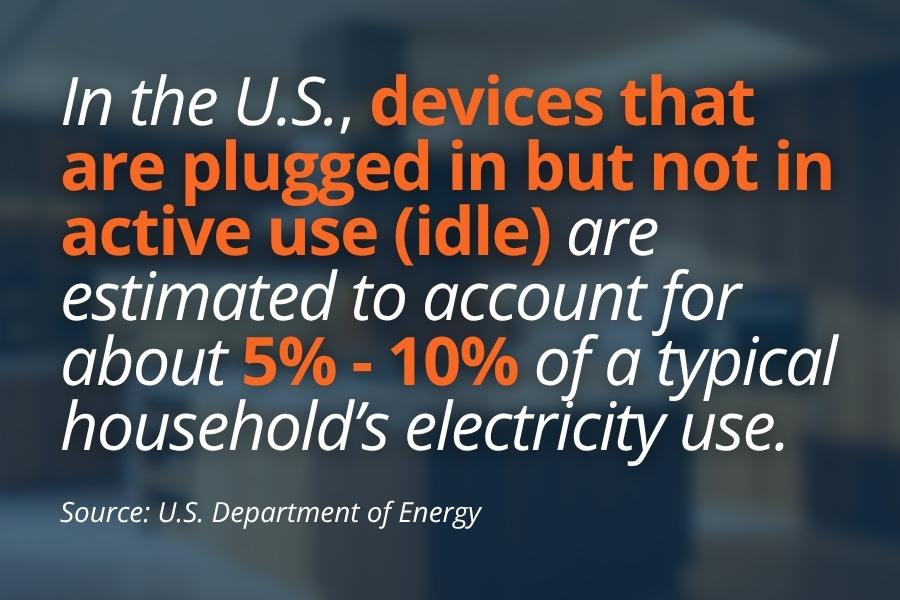
Even when turned off, many electronics continue to draw electricity. This phantom or standby energy can account for up to 10 percent of your electricity bill.
Energy Tip: Unplug unused devices like phone chargers, coffee makers, and game consoles. Smart power strips can automatically cut power to items that are not in use.
4. Using Outdated Appliances
Older appliances consume more energy than modern models. Refrigerators, washing machines, and dishwashers built before 2010 are particularly inefficient.
Energy Tip: When replacing appliances, look for ENERGY STAR-certified models. These use 10 to 50 percent less energy and water than standard versions and can significantly reduce your utility bills.
5. Overusing Hot Water
Heating water makes up about 14 percent of total home energy use. Taking long showers or washing clothes in hot water can quickly increase costs.
Energy Tip: Set your water heater temperature to 120°F. Use low-flow showerheads and wash clothes in cold water whenever possible. Insulate hot water pipes to help maintain temperature and save more energy.
6. Ignoring Lighting Efficiency
Lighting is one of the easiest areas to improve. Many homes still rely on incandescent bulbs that waste up to 75 percent of their energy as heat.
Energy Tip: Switch to LED bulbs, which last up to 25 times longer and use far less electricity. Add motion sensors, dimmers, or timers for extra savings.
7. Skipping HVAC Maintenance
Dirty filters, clogged vents, and neglected systems reduce efficiency and drive up energy use. Without regular care, HVAC units can fail earlier than expected.
Energy Tip: Replace filters every one to three months, keep vents clear, and schedule professional maintenance at least once a year. Proper maintenance improves efficiency by up to 15 percent.
Why Older Homes Consume More Energy
Older homes often have more charm but less efficiency. Many were built before modern energy codes existed and therefore lack insulation, have leaky ductwork, and rely on outdated systems. Even fireplaces can let heat escape when not sealed properly.
What You Can Do:
- Schedule a professional energy audit or home inspection.
- Upgrade insulation in walls, attics, and crawl spaces.
- Install energy-efficient windows or use storm windows for better sealing.
- Replace old HVAC systems with high-efficiency models.
These upgrades make a noticeable difference in comfort and monthly expenses.
Understanding Phantom Energy Use
While a single charger might not seem like a big deal, the combined energy use of multiple devices adds up. The Department of Energy estimates households spend between $100 and $200 per year on standby power alone.
Smart Solutions:
- Plug entertainment systems into a surge protector and turn it off when not in use.
- Unplug phone and laptop chargers when they are finished charging.
- Use smart plugs that automatically power down when devices go idle.
How Home Inspections Help Identify Energy Waste
A professional home inspection is one of the best tools for uncovering hidden inefficiencies. Inspectors use specialized equipment like infrared cameras and moisture meters to detect heat loss, air leaks, and other problems you cannot see.
An energy-focused home inspection may reveal:
- Gaps in insulation or missing insulation in the attic.
- Air leaks around windows, doors, and ducts.
- Inefficient or improperly sized HVAC systems.
- Moisture damage that lowers insulation performance.
- Inefficient water heaters or damaged seals.
A detailed inspection report provides clear recommendations for improvement. Fixing even a few of these issues can lead to noticeable savings and improved indoor comfort.
Seasonal Energy-Saving Tips
Energy use changes throughout the year, so adjusting your habits by season helps keep costs stable.
Winter Tips:
- Open curtains during the day to let in sunlight and close them at night to keep warmth inside.
- Use rugs to add insulation to cold floors.
- Close your fireplace damper when not in use.
- Schedule a furnace tune-up before the coldest months.
Summer Tips:
- Use ceiling fans to circulate air and make rooms feel cooler.
- Close blinds and curtains during hot afternoons.
- Cook with smaller appliances like toaster ovens or use the grill outside.
- Service your air conditioner before temperatures rise.
Simple seasonal adjustments help maintain comfort while lowering utility costs.
Everyday Habits That Save Energy
Energy savings do not always require major investments. Adopting small, consistent habits can make a big impact over time.
- Turn off lights when leaving a room.
- Run dishwashers and washing machines only with full loads.
- Air dry clothes when possible.
- Clean refrigerator coils twice a year.
- Avoid blocking air vents with furniture or curtains.
- Monitor monthly energy bills for unusual spikes.
- Use task lighting instead of overhead lighting for small jobs.
- Replace worn-out weatherstripping every year.
- Limit the use of portable space heaters and small AC units.
- Explore solar options to offset future electricity costs.
Turning these habits into part of your daily routine will build long-term savings without sacrificing comfort.
Investing in Long-Term Energy Upgrades
If you are planning to improve your home, certain projects can deliver excellent returns on investment.
High-Impact Upgrades:
- Insulation upgrades: Proper insulation in attics and walls can reduce heating and cooling costs by up to 20 percent.
- Energy-efficient windows: Double-pane or Low-E glass helps prevent heat transfer and reduces noise.
- HVAC system replacements: High-efficiency models use less energy and provide consistent comfort.
- Smart thermostats and automation: These systems learn your routines and adjust temperatures automatically.
- Solar energy systems: Solar panels can significantly reduce electricity costs, especially in sunny climates.
While these upgrades may require an initial investment, they can quickly pay for themselves through reduced bills and improved home value.
Tracking and Measuring Your Energy Efficiency
Once you have made improvements, it helps to track your progress. Many utility companies now provide online dashboards that let you monitor daily or weekly usage. You can also install home energy monitors that connect directly to your breaker panel and show real-time data on which devices use the most electricity.
Tracking your usage helps identify trends and prevent waste. For example, if you notice a sudden increase in consumption, it could signal an appliance malfunction or an air leak that needs attention.
When to Call a Professional
If your energy bills stay high despite making changes, or you notice uneven temperatures across rooms, it might be time to consult a professional. Certified home inspectors and energy auditors can identify specific problem areas and recommend the most cost-effective solutions.
Many utility providers also offer rebates for energy-efficient upgrades, including insulation, smart thermostats, and high-efficiency HVAC systems. A professional inspection can help you take advantage of these programs and maximize savings.
Conclusion
Saving energy begins with awareness and consistent action. Small changes in your daily habits can lead to big results over time. From adjusting thermostats and sealing air leaks to scheduling a professional home inspection, every step moves you toward a more efficient, comfortable, and cost-effective home.
A Premier Home Inspection helps homeowners identify where energy is being wasted and provides expert recommendations for improvement. When your home performs better, you save money, reduce environmental impact, and create a healthier living space for your family.
Start making smart energy choices today, and watch how even small steps lead to meaningful savings year after year.